1st Grade Apple Pencil Embroidery Design Review
As an experienced embroidery designer who regularly prepares for craft fairs and handmade markets, I always look for designs that can elevate a product with personality and practicality. The 1st Grade Apple Pencil machine embroidery design caught my eye as a Back To School-themed asset that could work well in multiple formats and across various fabric types. Here’s how it performed when I reviewed it through the lens of what sells, looks good in person, and is practical to produce.
First Impressions: Whimsical and Appealing
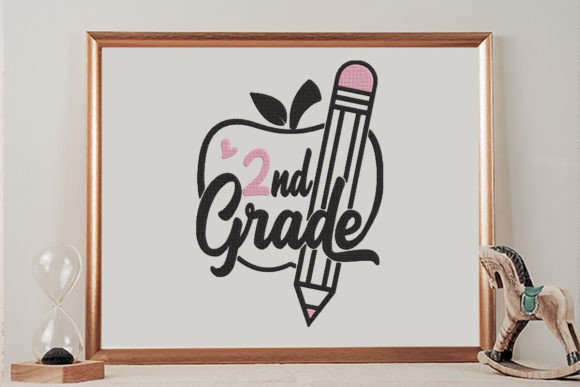
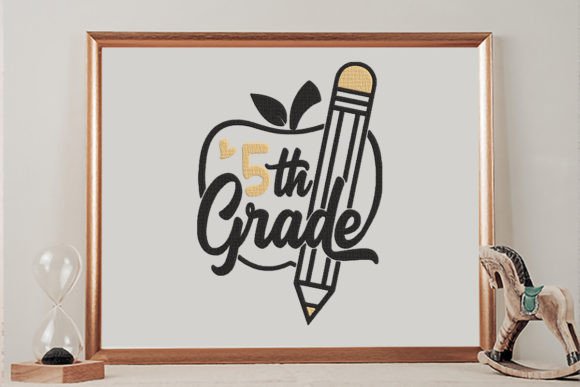
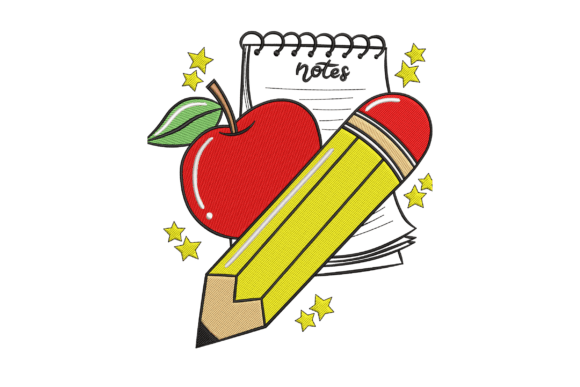
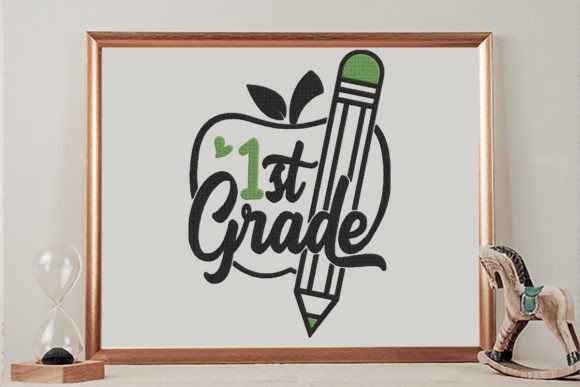
The 1st Grade Apple Pencil feels like a playful nod to childhood learning — think of a classic pencil shaped like an apple, perfect for those who love educational themes or want to add a touch of fun to their handmade items. It’s not overly complex, but it carries enough charm to stand out in a booth filled with other embroidery designs. The whimsy of this concept makes it instantly relatable, especially around school starting time, and it has a soft, almost hand-drawn quality that appeals to customers looking for unique, artisanal products.
This design doesn’t scream bold or rustic; instead, it offers a gentle, decorative flair that works well on both casual and premium fabrics. Its style lands somewhere between farmhouse and modern, which is a great sweet spot for today’s market. As someone who curates small shop products, I found the design to be versatile and appealing across a range of demographics, from parents shopping for back-to-school gifts to young adults seeking cute, personalized accessories.
Application on Craft Fair Products
I tested the 1st Grade Apple Pencil on several common craft fair items to see where it would perform best:
- Tote Bags: This design shines here. Stitched near the top corner of a tote bag, it adds a subtle yet recognizable accent. Customers notice it immediately, especially when paired with a kraft or linen background. The shape of the pencil gives a sense of structure without being too loud.
- Aprons: Placed on the lower hem or pocket area, the design brings a lighthearted vibe to a functional item. It works particularly well for themed aprons like “Back To School” or “Teacher Appreciation.”
- Tea Towels: A small version of the design stitched along the edge or centered at the top made these tea towels feel more curated and thoughtful. The simplicity of the design allows it to fit into farmhouse or minimalist kitchens without clashing.
- Caps and Hats: The compact nature of the design fits nicely on curved surfaces. I recommend using a smaller hoop size and ensuring even stitch density so the image stays crisp despite the cap’s texture.
- Fabric Pouches and Market Bags: These are ideal for showcasing embroidered accents. The pencil design added a nice focal point, especially when stitched in contrasting thread colors.
- Pillow Covers: When scaled up slightly, the design became a central feature. It worked beautifully on pastel-toned linens and cotton blends, offering a soft visual contrast to plain backgrounds.
- Embroidered Patches: The design translated well into patch form. It’s easy to sew on and looks clean once applied, making it a strong contender for DIY enthusiasts and Etsy sellers looking to diversify their offerings.
Photography and Online Listings
One of the biggest factors for selling at a craft fair or online as an Etsy seller is how the design photographs. The 1st Grade Apple Pencil did well in lighting tests, showing clear detail and color separation. Because it has a distinct shape and isn’t too busy, it captured attention in photos and mockups. For digital sellers and boutique makers, creating a printable mockup of this design on a tote or pouch will help buyers visualize the final product quickly and easily.
Production Practicalities
Before sending this design to production, there are a few key points every embroiderer should consider:
- Test on Scrap Fabric: Always run a sample before stitching the 1st Grade Apple Pencil onto your final product. Especially if you're working with thick or textured materials like towels, this helps ensure the design holds its shape and clarity.
- Check Thread Contrast: Depending on the fabric color, some thread shades may blend in too much. I suggest trying light and dark versions of the design to see which pops best for your booth display.
- Review Spacing and Hoop Size: While the design is compact, scaling it down too much can cause details to get lost. Make sure you confirm the recommended hoop size (if provided) and adjust accordingly for different product sizes.
- Inspect Stitch Density: Dense areas may require extra stabilizer to prevent puckering, especially on delicate or stretchy fabrics. Use a tear-away or cut-away stabilizer depending on the material you’re working with.
- Confirm Commercial Licensing: If you plan to sell finished products featuring this embroidery file, make sure the licensing terms allow for commercial use. That’s crucial for anyone involved in commercial embroidery.
Small vs. Large Scale
The 1st Grade Apple Pencil functions well both as a small accent and a larger focal point. In its original size, it’s perfect for adding a quick, charming touch to caps, patches, and small pouches. However, when expanded just slightly, it becomes a standout feature on tote bags and pillow covers. Either way, it maintains a balance between cute and professional, which is vital for attracting a broad audience at craft fairs.
Design Strengths and Considerations
What makes the 1st Grade Apple Pencil a strong candidate for a weekend craft fair booth is its ability to adapt. Whether stitched onto a casual t-shirt or a high-end home decor item, it feels intentional and fresh. But it also comes with a few considerations:
- Dark Fabrics: The design can lose visibility on darker backgrounds unless you use bright thread colors. White or pastel-colored bases tend to highlight it best.
- Textured Towels: Stitch density is important here. Too many stitches in one area can lead to distortion, while too few might make the design look flat.
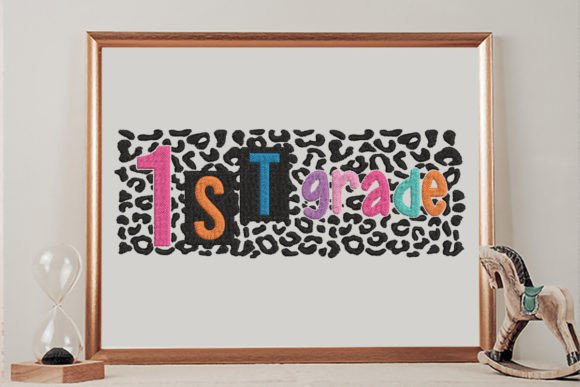
- Small Lettering: If the design includes text, such as "1st Grade," keep an eye on how it scales. Tiny lettering may become illegible when reduced in size.
- Brand Consistency: The whimsical tone of this design aligns well with brands that focus on handmade, nostalgic, or educational themes. It can become a signature piece in your collection of craft fair products.
Customer Engagement and Booth Display
At a booth filled with embroidered items, the 1st Grade Apple Pencil stands out because it’s unexpected yet familiar. It draws smiles and questions from passersby, which increases buyer engagement. When paired with other Back To School motifs, it helps create a cohesive theme that can drive sales of multiple related products. For handmade shops and boutique makers, this kind of visual storytelling is powerful.
Visually, the design enhances the perceived value of any item it's placed on. It suggests a level of thoughtfulness and care, which is essential for handmade product displays. As an embroidery business owner, I know that customers often pick up what they find visually pleasing first — and this design does exactly that.
Final Thoughts for Embroidery Creators
If you're preparing for a craft fair or planning your next line of handmade products, the 1st Grade Apple Pencil is worth considering. It's a design that feels personal, playful, and professionally crafted. Just remember to test it thoroughly before going into batch production. Look closely at stitch count implications, fabric compatibility, and how it interacts with different thread colors and textures.
Also, don’t forget to build brand consistency by pairing it with complementary design assets. Create at least one real-life mockup to showcase in your booth and compare fabric colors under natural lighting. And most importantly, always confirm commercial embroidery rights before listing it as a finished product on Etsy or at your local market.
With the right preparation, the 1st Grade Apple Pencil can be a delightful addition to your lineup of machine embroidery designs. It's not just about what looks good on the screen — it's about how it translates into the real world and resonates with your customers.