Artist’s Paint Palette Embroidery Design Review
First Impressions and Visual Personality
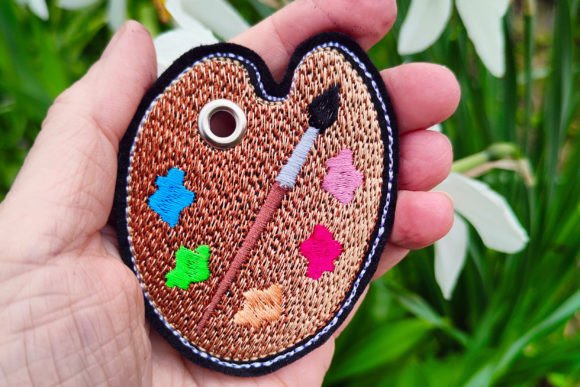
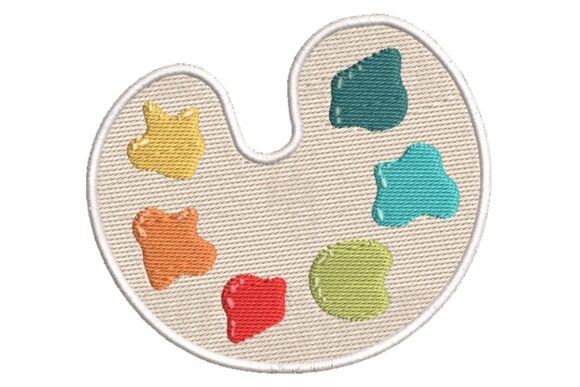
The Artist’s Paint Palette embroidery design makes a strong first impression with its classic, artistic layout. It captures the essence of creativity through its stylized representation of a painter’s tool—complete with a thumbhole and several dabs of color in yellow, orange, red, teal, light blue, and light green. The design feels both nostalgic and modern, making it versatile for various embroidery projects.
Visually, the paint palette is balanced and symmetrical, which gives it a sense of order while still conveying the playful energy of an artist at work. The dabbed colors are arranged in a way that mimics real-life paint swatches, creating a charming visual rhythm. This level of detail suggests the design could serve as a focal point or a subtle decorative accent, depending on how it's used.
A Natural Fit for Creative Projects
This design naturally belongs to any project centered around art, creativity, or personal expression. Whether you're working on a custom sweatshirt for a child’s back-to-school collection or designing a personalized gift for an aspiring painter, the Artist’s Paint Palette brings a touch of whimsy and sophistication. Its soft curves and structured elements also make it suitable for embroidered patches, tote bags, or even nursery decor.
Real-Life Embroidery Performance
As someone who regularly tests machine embroidery designs before recommending them for production, I’ve stitched the Artist’s Paint Palette onto several fabric types and products. Here’s how it performs across common applications:
- Tote Bags: The design looks great on cotton canvas, especially when using vibrant thread colors. The thumbhole adds a nice functional element if placed near the top edge.
- Sweatshirts & T-Shirts: On heavier fleece or cotton blends, the colors remain bold and the shape holds well. However, on thin or stretchy fabrics like rayon or spandex, the edges can become slightly distorted unless proper stabilizer is used.
- Aprons & Pillow Covers: These items provide excellent surfaces for the design due to their stable, woven textures. The dabbed paints add texture and interest without overwhelming the piece.
- Patch Embroidery: When converted into an embroidered patch, the design retains clarity and charm. The use of satin stitch around the outline helps define the shape clearly.
- Baby Clothes: The design works surprisingly well for baby items, such as onesies or bibs, particularly when paired with pastel thread shades. Just be cautious about using bright colors on dark backgrounds where visibility might be compromised.
- Holiday Gifts: As part of a holiday-themed embroidery set, this palette complements other designs like brushes, easels, or seasonal motifs. It adds a unique twist to personalized gifts like mugs or aprons.
- Caps & Hats: Stitching on curved surfaces requires attention to placement and tension. While the palette itself is compact, the curvature of the cap may cause slight distortion in corners if not hooped properly.
Where Caution Is Needed
Though the Artist’s Paint Palette is a solid choice for many projects, there are specific scenarios where extra care should be taken:
- Small Hoop Sizes: The design has enough detail that it could lose definition if forced into a hoop smaller than recommended. Always check the minimum hoop size before stitching.
- Textured Fabrics: On flannel, denim, or quilting cotton, the fill stitches may not lay flat, affecting the overall look. A cutaway stabilizer often helps maintain smoothness.
- Thin or Stretchy Fabrics: Delicate materials like silk or jersey knit require precise tension settings and backing support to prevent puckering or stretching out of shape.
- Dark Fabric Backgrounds: The lighter-colored paint dabs may not stand out as intended. Consider using white or cream thread instead of the default colors for better contrast.
- Layered Garments: If stitching on a garment with multiple layers (like a vest over a t-shirt), ensure the design is positioned so it doesn’t get lost in folds or seams.
- Dense Stitch Areas: Some sections of the design have higher stitch density, which could lead to stiffness or potential damage to delicate garments if not managed carefully.
Design Notes for Optimal Results
To get the most from this design, here are some practical tips based on my experience:
- Test First: Always stitch the Artist’s Paint Palette on scrap fabric before committing to a final product. This allows you to adjust thread colors, stabilize, and fine-tune positioning.
- Thread Color Contrast: If your fabric background is dark, consider swapping the default colors with something more contrasting—especially the yellows and greens—to ensure the design remains legible.
- Stabilizer Use: For best results, especially on stretchy or loosely woven fabrics, use a medium-weight tear-away or cutaway stabilizer underneath.
- Mockup Testing: Create a black-and-white printable mockup to see how the design will appear in grayscale. This is useful for determining whether the shapes and outlines are clear enough on their own.
- Light vs. Dark Backgrounds: The design adapts well to both, but always test it on both types of fabric to understand how the colors interact.
Impact on Product Value and Customer Perception
Incorporating the Artist’s Paint Palette into a handmade product elevates its perceived value. It’s a symbol of creativity, making it ideal for niche markets like art-focused Etsy shops or boutique branding for creative businesses.
From a customer perspective, the design speaks volumes. It implies quality, intentionality, and a connection to art. For personalized gifts, it adds a meaningful touch—especially for children going back to school or adults looking for unique home décor.
On commercial embroidery projects, the design contributes to brand consistency if your shop focuses on artsy or educational themes. It also enhances buyer engagement by offering a familiar yet fresh visual that appeals to crafters, parents, and teachers alike.
Professional Presentation and Giftability
When applied correctly, the Artist’s Paint Palette offers a professional finish that stands out in handmade markets. The clean lines and thoughtful use of color help create a polished look, which is essential for Etsy sellers and small shop owners aiming to build trust with buyers.
Its versatility also means it can be adapted for different seasons or occasions. For example, during back-to-school time, it could be paired with a name monogram or academic symbols to create a cohesive line of apparel and accessories.
Final Thoughts for Designers and Sellers
Overall, the Artist’s Paint Palette is a well-crafted machine embroidery design that balances detail with usability. It’s not just another doodle—it’s a recognizable icon that communicates creativity and passion effectively.
However, as with all digital embroidery files, success depends on how it’s implemented. Pay close attention to fabric type, hoop size, and stabilizer choices. Also, remember to confirm licensing terms if you plan to sell finished items or digital embroidery kits.
If you’re a designer or seller in the craft business, this design can be a valuable addition to your portfolio. Just make sure to tailor it to the right products and audiences to maximize its impact and longevity.